Table of Contents
ToggleIntroduction
In an era of technological advancement and environmental consciousness, going off-grid has gained substantial traction. Departing from conventional centralized energy systems, the off-grid lifestyle champions self-sufficiency, sustainability, and reduced ecological impact. This chapter delves into the multifaceted advantages and benefits of embracing an offgrid existence, encompassing energy independence, environmental impact mitigation, cost savings, return on investment (ROI), and the liberating offgrid lifestyle.
Energy Independence and Environmental Impact
Energy independence, a hallmark of off-grid living, emerges as a compelling advantage, fostering an individual’s or community’s self reliance. Conventional energy sources like fossil fuels are finite, geopolitically sensitive, and contribute to environmental degradation. In contrast, off-grid systems predominantly rely on renewable energy sources such as solar, wind, hydro, and biomass, which are virtually inexhaustible and emit minimal greenhouse gases.
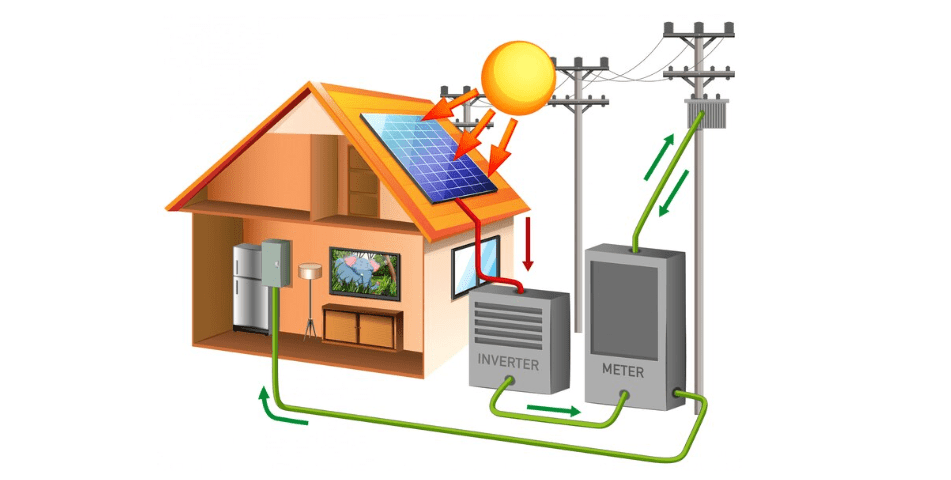
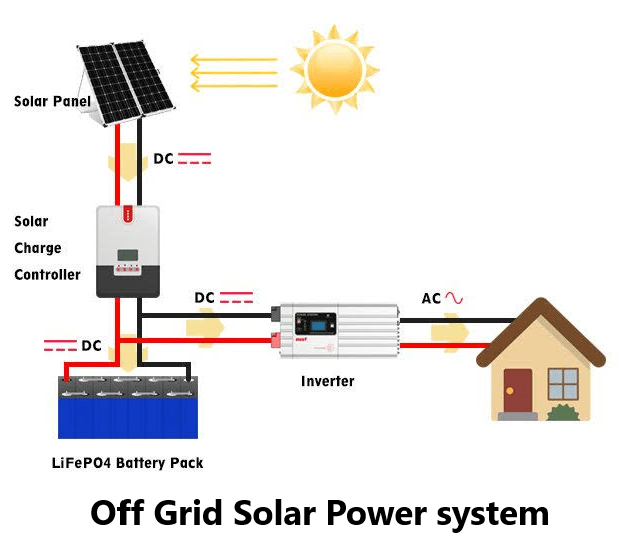
Solar panels, for instance, harness sunlight and convert it into electricity through the photovoltaic effect. Wind turbines capture kinetic energy from the wind to generate power. These technologies can empower individuals and communities to harness nature’s abundance, reducing reliance on external energy providers and fostering resilience in the face of energy crises or supply disruptions.
From an environmental perspective, the off-grid approach exerts a significantly reduced carbon footprint. Traditional power generation methods, like coal-fired plants, emit pollutants that degrade air quality and contribute to climate change. By transitioning to off-grid systems, the emission of harmful gases and particulates is curtailed, contributing to cleaner air and a healthier ecosystem. This shift aligns with global efforts to combat climate change outlined in agreements like the Paris Agreement.
Cost Savings and Return on Investment (ROI)
Beyond the philosophical allure of energy independence, off-grid living offers tangible economic benefits. While the initial setup costs of off-grid systems can be substantial, they are often outweighed by the long-term savings they generate. The elimination of monthly energy bills, a hallmark of off-grid living, translates into financial freedom over time. As utility prices continue to fluctuate, the cost predictability of off-grid systems becomes increasingly attractive.
A key financial advantage of the off-grid lifestyle lies in its potential for a strong return on investment (ROI). Solar panels, for instance, have an average lifespan of 25 to 30 years, during which they generate electricity essentially for free. This translates to a considerable ROI, particularly when government incentives and tax credits are factored in. In regions with abundant sunlight, the excess energy generated by off-grid systems can even be sold back to the grid, further enhancing the ROI.
Furthermore, the scalability of off-grid systems permits flexibility in initial investment. Systems can be designed to suit individual needs, from a small cabin in the woods to an entire off-grid community. This adaptability ensures that off-grid living is accessible to a wide range of budgets and circumstances.
Off-Grid Living Lifestyle: Freedom and Sustainability
Beyond the pragmatic advantages, the off-grid lifestyle embodies a profound sense of freedom and sustainability. It enables individuals to break free from the shackles of external energy providers and societal norms, fostering a sense of autonomy. The off-grid mindset encourages resourcefulness, as individuals must devise creative solutions to meet their energy, water, and waste management needs.
Living off-grid also offers a unique opportunity to reconnect with nature. Remote off-grid locations often immerse individuals in pristine environments, allowing them to foster a deeper connection with the natural world. This communion with nature can lead to enhanced mental wellbeing, reduced stress, and an overall improved quality of life.
Sustainability is a cornerstone of the off-grid lifestyle. The emphasis on renewable energy sources, coupled with conscious consumption patterns, reduces the strain on ecosystems and promotes responsible stewardship of resources. The practice of “living lightly” becomes a tangible reality as individuals strive to minimize their environmental impact.
Additionally, off-grid living encourages self-sufficiency in various aspects beyond energy. Rainwater harvesting, composting toilets, and home gardening are just a few examples of the practices embraced by off-grinders to reduce their reliance on external systems. This holistic approach aligns with the broader global movement towards sustainable living and resilience.
The advantages and benefits of going off-grid extend beyond the surface appeal of energy independence. This lifestyle embodies a transformative shift towards self-sufficiency, environmental responsibility, and financial freedom. The reduction in carbon footprint, the potential for significant ROI, and the nurturing of a sustainable ethos collectively make off-grid living an increasingly attractive proposition. Moreover, the off-grid lifestyle offers an experiential connection with nature and a profound sense of liberty that resonates with those seeking a departure from conventional norms.
As societies continue to grapple with the challenges posed by climate change and resource scarcity, the off-grid paradigm stands as a beacon of hope and a tangible pathway towards a more harmonious coexistence with our planet.